


Plywood Furniture Maintenance Tips

Updated: Nov 18, 2025
Whether they’re made of wood, stone, or metal, furniture are household item meant to be used for a long time. Furniture should be sturdy and able to stand the test of time, maybe even for generations to come.
Most modern furniture is designed with convenience in mind. Most people are able to put it together and take it apart by themselves (dubbed Do-It-Yourself or DIY). To prolong modern furniture’s lifespan, especially that made of wood, you will need to properly care for it. This article covers essential maintenance, focusing specifically on how to clean plywood furniture and keep it looking new.
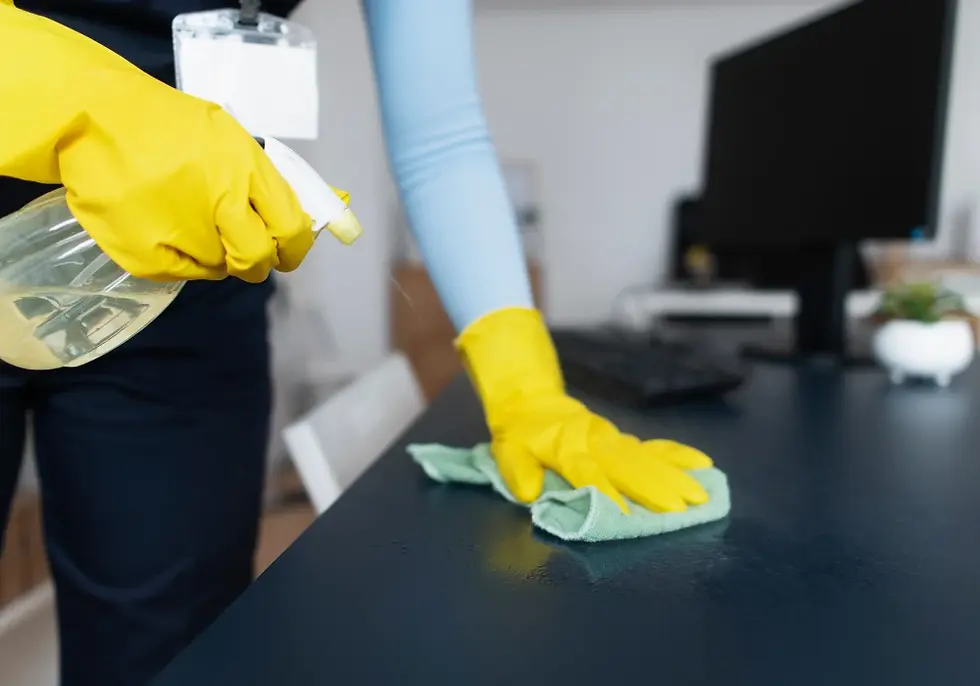
Photo by Freepik
1. Clean your Plywood Furniture Regularly
The easiest way how to clean your plywood furniture is by regularly dusting off any dirt and dust that lies on top of its surface. You can use a lint-free cloth or a microfiber duster to clean areas where dust tends to settle.
You can also use mild soap mixed with warm water for routine cleaning purposes. Use the mixture to dampen a soft cloth, wring it out until dry, and wipe the surface of your plywood furniture. If you encounter more stubborn stains, use a mild cleaning solution or a mix of white vinegar with water. Avoid using harsh chemicals and abrasives that can burn through the material.
2. Dealing with Spills and Stains Immediately
For plywood, immediate action is necessary to prevent permanent damage. If any liquid spills onto your furniture, you must act fast. Use a soft, absorbent cloth or paper towel to blot the liquid immediately; never rub it. Rubbing can spread the stain or push liquid deeper into the finish or seams. Pay special attention to the edges and joints where moisture can cause the wood layers to swell quickly.
3. Sanitizing and Deep Cleaning Wooden Surfaces
You should perform a deep clean beyond routine dusting twice a year. For effective cleaning plywood, use a mild soap solution and ensure the cloth is only damp, not wet. Excessive water is plywood's enemy as it can damage the core or ruin the finish. Wipe down the surface and then immediately dry it with a second, clean cloth. Always avoid harsh chemicals like bleach or ammonia, which strip the protective sealant.
4. Apply Lamination
Lamination gives a touch of pretty aesthetics to your favorite plywood furniture. Lamination can mimic the look of real wood, solid colors, and even add textures like fabric and metal. Applying lamination will help protect the cores of plywood furniture, improving its longevity and resistance to moisture. Here are simple steps to apply protective sealing.
Clean and Prepare the Surface: Wipe the plywood surface to remove any dust, dirt, or oil using a damp cloth. It is crucial to make sure the surface is completely dry before you start applying the sealer.
Light Sanding (If Necessary): If the surface feels rough or has small scratches, lightly sand it using fine-grit sandpaper (220 grit or higher). This ensures the sealer adheres well and gives a smooth, even finish.
Apply the First Sealer Coat: Apply a thin coat of sealer (varnish, polyurethane, or liquid laminate) following the direction of the wood grain. Use a brush or foam roller, and avoid letting the material pile up.
Allow Adequate Drying Time: Let the first coat dry completely according to the product instructions (usually a few hours). It is important not to use the furniture during the total curing process.
Apply the Second Sealer Coat: Once the first coat is dry, apply a second coat of sealer. This double layer is highly recommended as it provides optimal protection and durability against moisture and light scratches.
5. Keep Furniture Away from Direct Sunlight and Humidity
As plywood tends to be sensitive to environmental conditions, it’s best to keep it away from direct sunlight or areas with high humidity. If you expose it to direct sunlight, plywood furniture will discolor over time and may even slightly bend from the heat. Meanwhile, prolonged exposure to moisture may cause warping. Unlike MDF furniture, plywood is constructed with layers of wood veneer, which makes it structurally more stable but still requires protection from sustained moisture exposure.
Make sure you position your plywood furniture away from direct sunlight and maintain consistent humidity within the room. If you have no choice but put plywood furniture in humid areas such as the bathroom or kitchen, make sure to wipe down any form of condensation or liquid accidents from your plywood furniture.
Read more: What is Melamine Faced Chipboard

polubiatka / Freepik
6. Use Coasters and Mats to Protect Furniture Surface
Condensation from cold drinks and heat from pots and pans can potentially cause damage to your plywood furniture. It’s best to use coasters for cold drinks to slow the process of water from seeping into the crevices of your plywood furniture.
Additionally, you can also cover regularly used areas using cloths or plastic film to protect plywood surfaces. A tablecloth, for example, can protect your furniture from food and liquid spills. By doing this, you can even prevent stains from forming on your furniture.
7. Check and Tighten Hardware Periodically
When cleaning plywood, you should also inspect the structural integrity of the piece. Plywood furniture can become unstable over time, especially with frequent use. You should regularly inspect all screws, bolts, and connecting hardware. Loose joints often cause wobbly chairs or sagging shelves. Use a screwdriver or wrench to gently tighten any loose components you find. Checking hardware ensures the stability and safety of the furniture.
8. Address Minor Scratches and Dents Promptly
Minor damage, if ignored, can worsen and affect the plywood's finish. For small surface scratches, use a wood touch-up marker that matches your furniture's color. For deeper dents, you can apply a small amount of matching wood filler or putty. Treating these imperfections quickly helps prevent moisture from seeping into the core and keeps your furniture looking its best.
Read more: MDF vs MFC Wood
That is 8 steps of how to clean plywood furniture and how to keep it in excellent condition for years to come. Proper cleaning and maintenance are essential prevention steps to preserve the beauty of your favorite plywood furniture. By following these simple tips, you can start incorporating furniture care into your cleaning routine.
To further enhance your furniture’s longevity, make sure to select high-quality furniture made by trusted companies. If you’re looking for laminated plywood, check out Melamine-Faced Plywood (MFP) by PT Sumatera Prima Fibreboard (www.spf.co.id). Consult your needs with our team to get the best Melamine Faced Plywood price, size, and thickness that is suitable for your project!



Comments